Welcome to N8's Notions
The build log for n8builds.dev: what I'm shipping, what AI is changing about how software gets made, and the numbers behind it.
 building-in-public
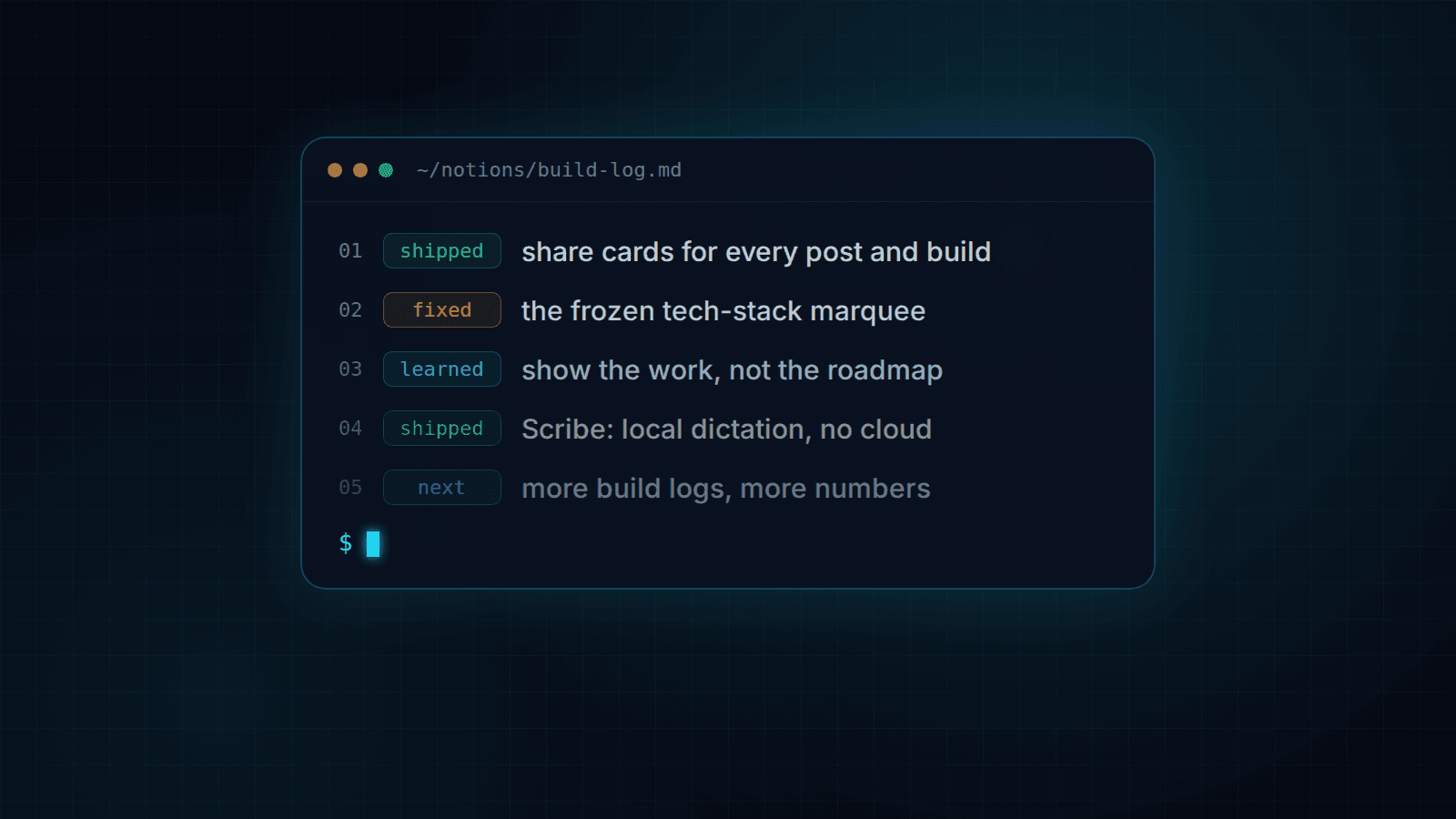
This is N8's Notions, the build log for n8builds.dev. It is where I write down what I am shipping, what is working, what is not, and what I think it all means for people who build software.
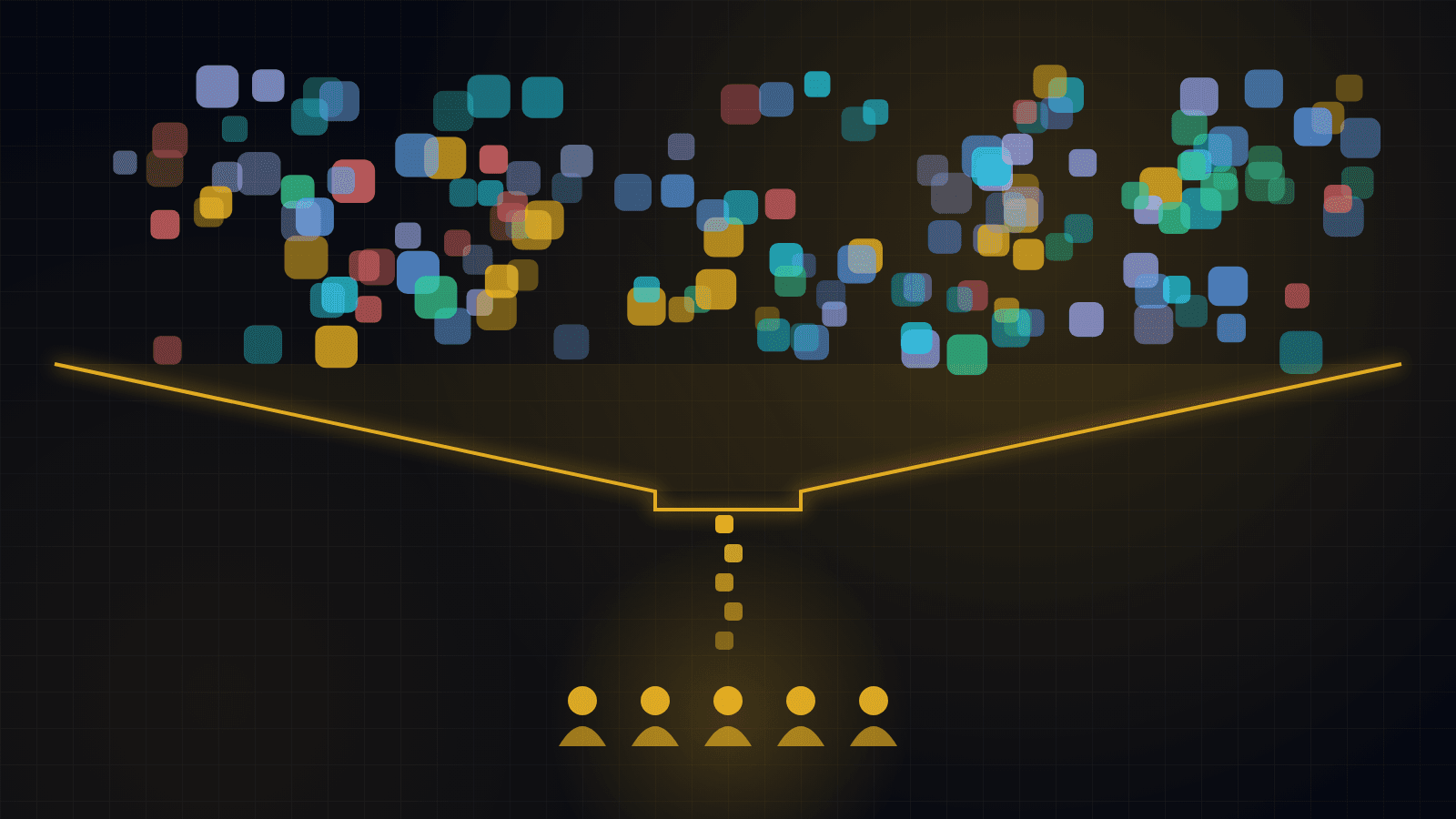
I am writing it now because the ground under software is moving faster than at any point I can remember. Two years ago, building an app meant weeks of boilerplate before anything interesting happened. Today I can describe a feature to an AI agent in the morning and be testing it with real users by lunch. That changes what is worth building, who can build it, and what it takes to stand out. I want a place to think about that out loud, with receipts.
Why now
The short version: AI got cheap and good at the same time.
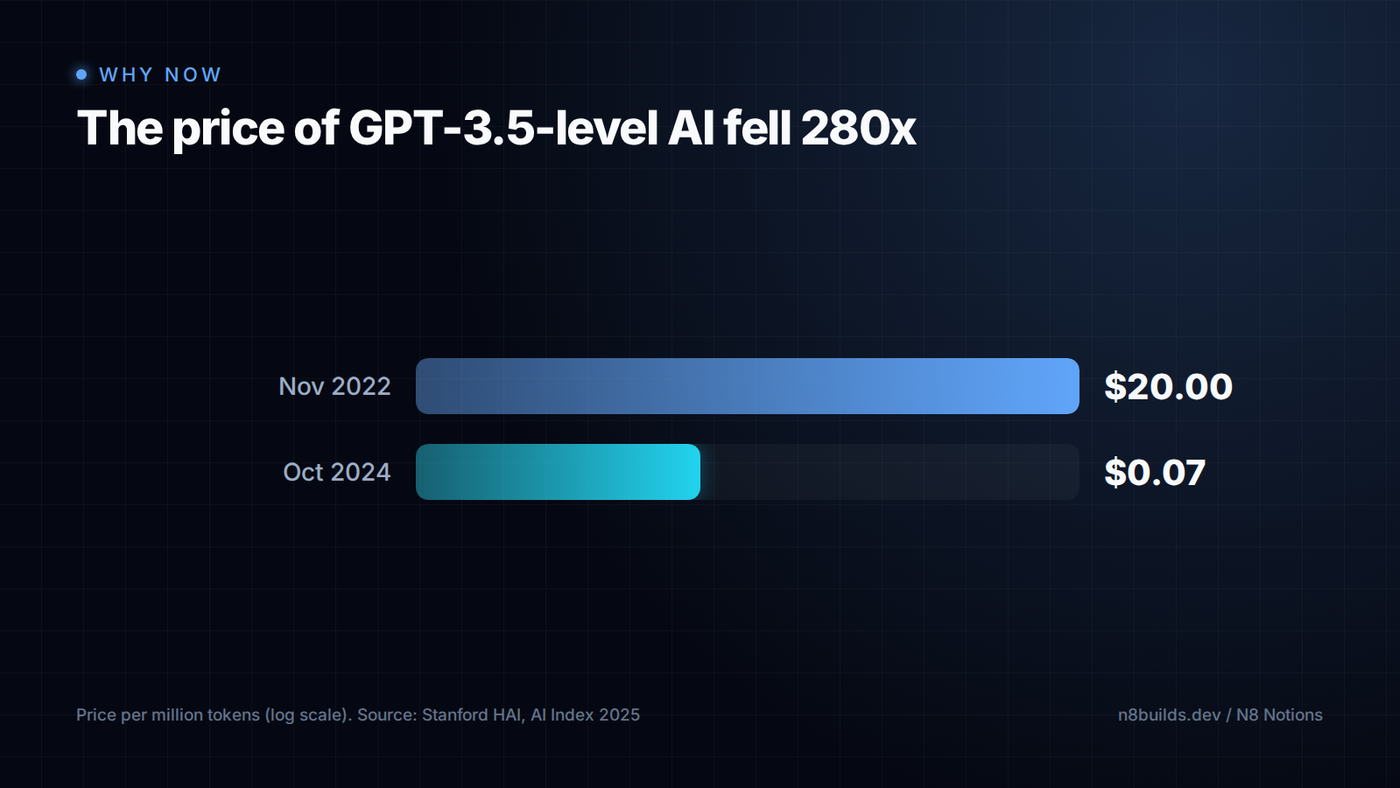
According to Stanford's 2025 AI Index, the cost of running a model that performs at the level of GPT-3.5 dropped more than 280-fold between November 2022 and October 2024. The same report found that 78% of organizations used AI in 2024, up from 55% the year before.
When the price of something falls that far that fast, it stops being a feature and becomes infrastructure. That is where AI is now for builders. The interesting questions are no longer "can AI write code?" but "what do you build when code is cheap?" and "how do you get anyone to care?" Those questions run through almost everything I make.
What I am building
n8builds is my workshop. A few of the things on the bench right now:
- Appturnity, my software consulting studio, where the front door turns a rough idea into a scoped build plan.
- Scribe, a Windows dictation app that runs Whisper locally, so your voice never leaves your PC.
- A shelf of Chrome extensions and small tools, most of them local-first and built in a weekend.
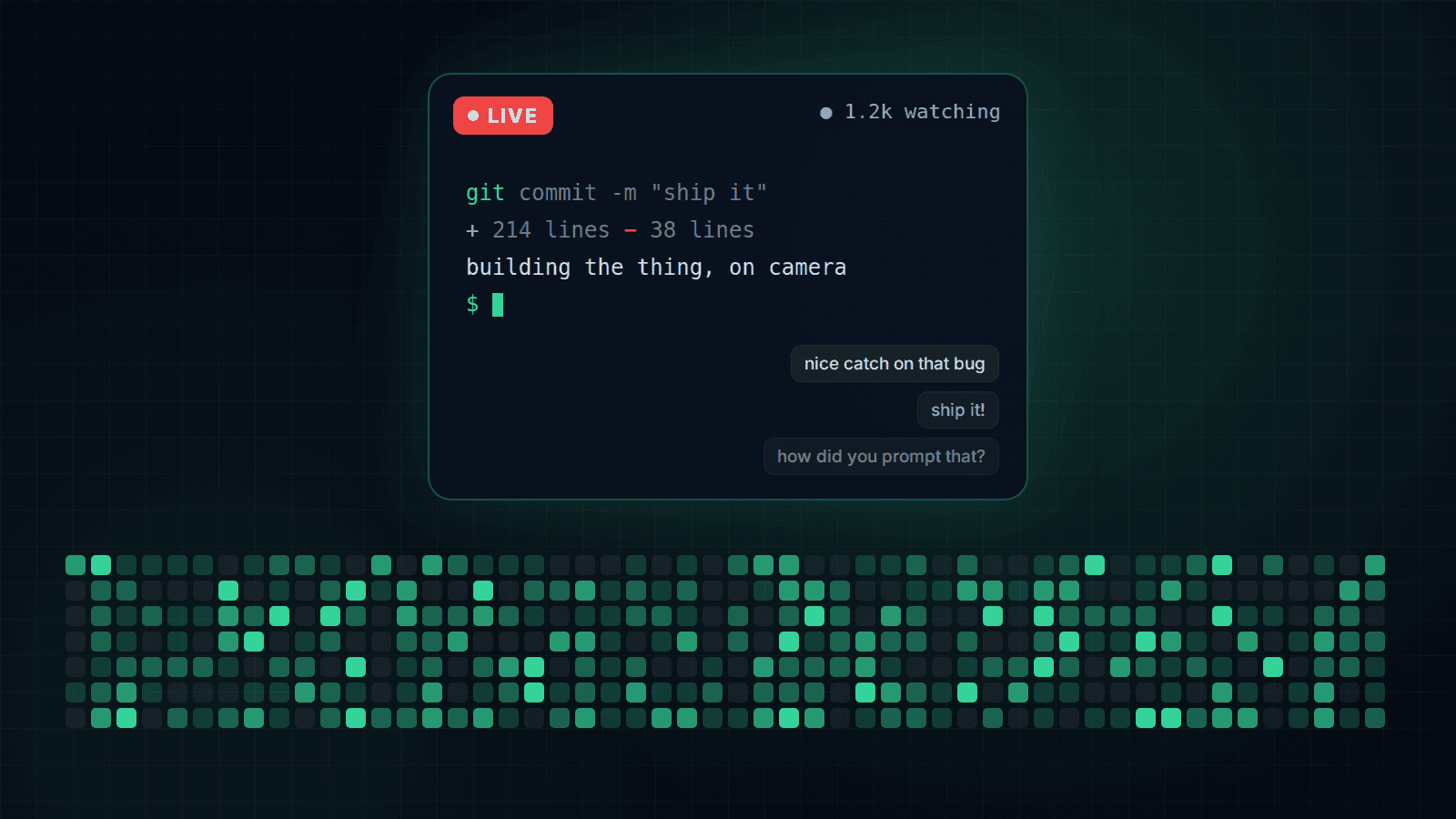
Almost all of it is built with AI agents doing a large share of the typing, and almost all of it is built in public: on stream, in commits, and here.
How every post gets made
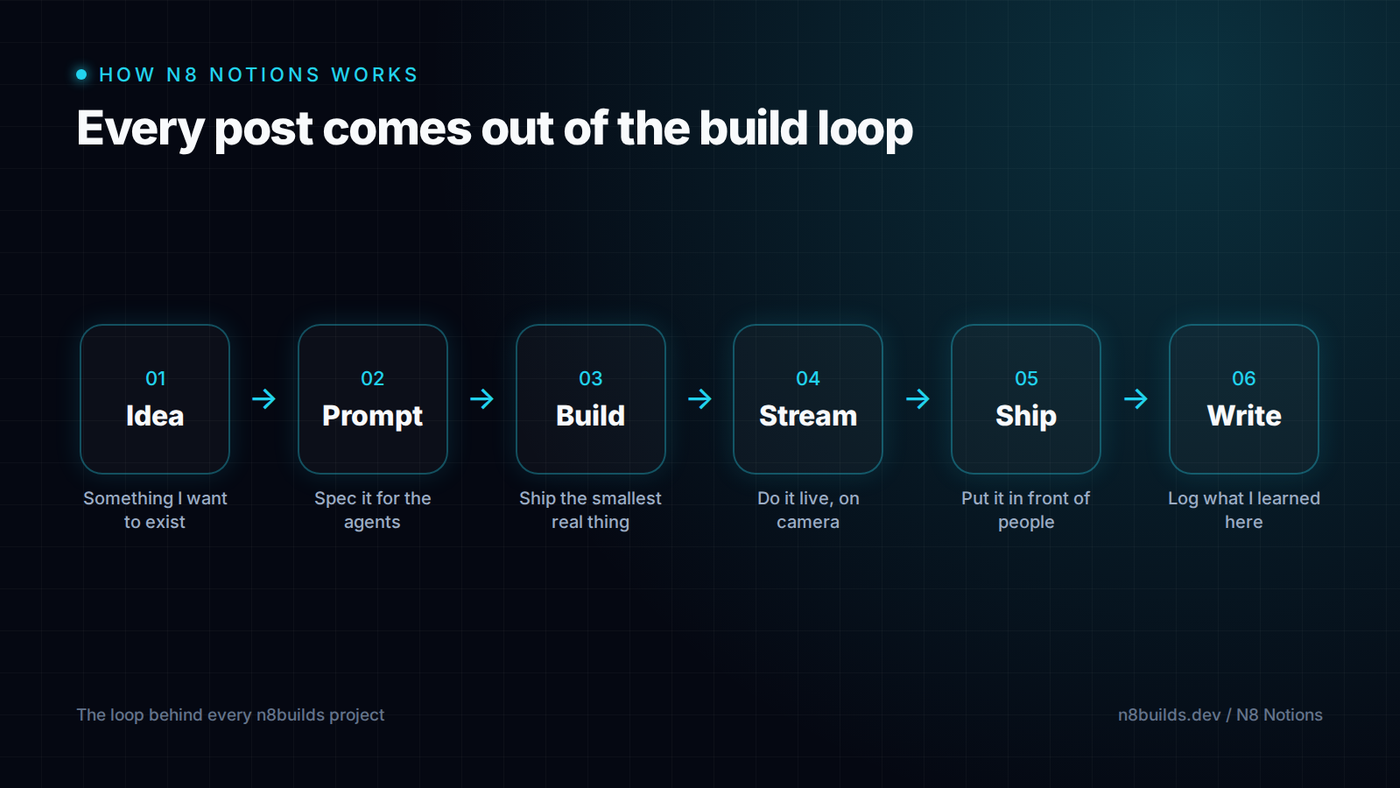
Every post comes out of the same loop. I have an idea, I spec it tightly enough for an agent to run with, I build the smallest real version, I do a lot of that live on stream, I ship it in front of people, and then I write down what I learned. The writing is the last step of the loop, not a separate job. That keeps the posts grounded in things that actually happened instead of things I think might happen.
What you will find here
- Build logs. What shipped, why it shipped that way, and what I would do differently.
- AI in practice. Not hype and not doom. What agents are genuinely good at, where they fall over, and how my workflow changes month to month.
- The numbers. When I make a claim about AI or the industry, I link the source. If a study says something surprising, I will tell you what it actually measured.
- Predictions. Where I think this is all going, written down so I can be held to it later.
A promise about the facts
There is a lot of noise about AI right now: breathless launch threads, cherry-picked benchmarks, and confident predictions with nothing behind them. I would rather be useful than loud. So when you read a number here, it comes with a link, and when the evidence is mixed, I will say so. A good example: one well-known study found AI made developers dramatically faster, and another found it made experienced developers slower. Both were real. I wrote about why in Speed Beats Mastery.
Build in public. The feedback is worth more than the privacy.
If you want to follow along, the best places are the Lab, the streams, and this page. And if something here is wrong, tell me. That is the whole point of doing it in public.
Sources
- Stanford HAI, AI Index Report 2025: inference cost decline and organizational AI adoption.
Share this note
Share on X (opens in a new tab)